
About our villages: Shipbourne and Plaxtol energy background
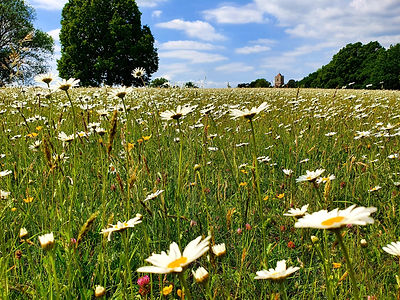
Nestled in the beautiful Kent countryside, Shipbourne and Plaxtol are thriving rural communities with a rich history, distinctive character and a strong sense of community. Surrounded by rolling farmland and ancient woodland, our villages are places where people value both their heritage and their natural environment.
While preserving this character is important, we also recognise the need to prepare our homes and communities for a more sustainable future, and to preserve our villages for future generations.


In 2022, Shipbourne Parish Council published its Climate Change Strategy and Action Plan, which examined the parish's carbon footprint and the main sources of local greenhouse gas emissions.
The plan found that local emissions are around 50% higher than the UK average and are driven largely by housing. This reflects a high proportion of older, larger homes and the fact that the majority of properties are off the gas grid, relying on oil, LPG or electricity. Transport is also a major contributor due to car dependency.
According to the Impact Community Carbon Calculator, which uses 2025 emissions data, 47% of total carbon emissions in Shipbourne come from housing, making it the single largest source of emissions in the parish. Plaxtol shares many of these characteristics, with a similar rural setting and housing stock.
This is why the Shipbourne 2022 climate change strategy identified housing as the most actionable category of local CO2 emissions – underpinning the aim of our home energy project.

22%
19%
12%

47%
Breakdown of Shipbourne Parish emissions (4,707 tCO2e).
Source: Impact. (2025). Impact Community Carbon Calculator. Community emissions dataset for Shipbourne and Plaxtol. Accessed June 2026.
47%